Deck Staining and Sealing: Protecting Your Investment
Deck staining and sealing are essential in maintaining outdoor spaces. These techniques defend the wood against moisture, sun damage, and general wear. Consistent maintenance can improve both appearance and durability. However, many homeowners overlook the importance of these protective measures. Understanding the proper techniques and timing can make a significant difference. What are the critical measures to secure maximum protection and return on your investment?
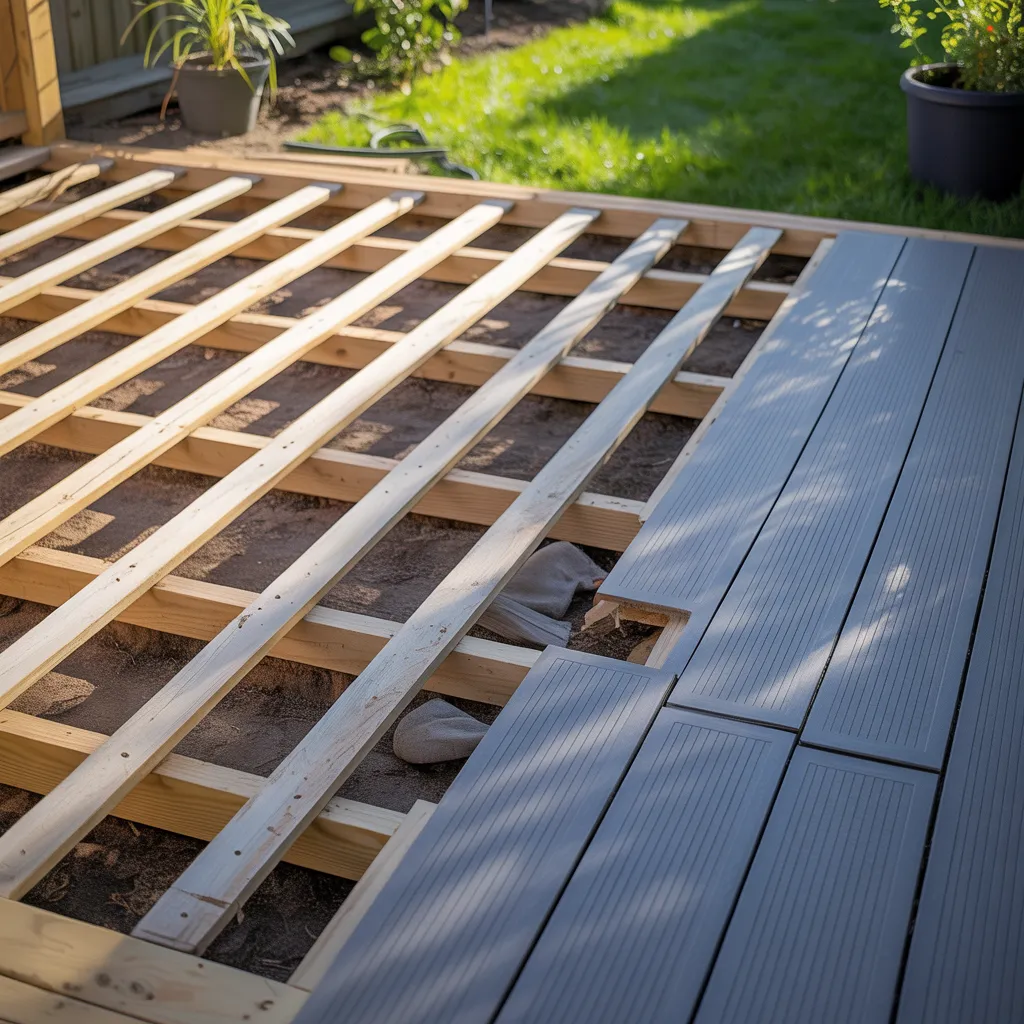
How to Extend Longevity Through Deck Staining and Sealing
To extend the longevity of a deck, staining and sealing are essential. These treatments shield the wood from UV rays, moisture, and outdoor elements that can lead to deterioration. Staining forms a protective layer that blocks moisture infiltration, reducing the risk of mold and rot. It additionally improves the wood's aesthetic, allowing for a more vibrant finish.
Sealing, on the other hand, secures the stain while offering extra protection against damage and deterioration. It is essential to choose high-quality products made exclusively for exterior surfaces to ensure optimal results. Regular maintenance, including reapplying the product every few years, is essential to sustain the protective benefits.
Complete Step-by-Step Instructions for Staining Your Deck
Correct staining and sealing lay the groundwork for a successful deck improvement project. To begin, the deck must be completely cleaned to eliminate dirt, mildew, and existing stain. A pressure washer or a stiff brush with a deck cleaner can be effective. Once cleaning is complete, permit the deck to dry fully, generally for 24-48 hours, to secure the best possible adhesion of the stain.
Following this, all cracks and imperfections must be filled with an appropriate wood filler. Once repaired, the process of applying stain can start. By using a quality brush or roller, apply the stain evenly, proceeding in manageable sections to eliminate uneven overlapping. It's essential to align your strokes with the wood grain for a polished and uniform finish.
When the initial coat is fully dry, a second coat may be necessary for additional protection and improved color richness. Lastly, permit the deck to cure for no less than 24-48 hours before allowing furniture placement or foot traffic, to ensure durable and lasting outcomes.
Picking the Ideal Products for Deck Staining and Sealing
Selecting the appropriate products for staining and sealing a deck is essential, as the compatibility and quality of supplies can greatly influence the appearance and longevity of the decking surface. Homeowners should consider the species of wood, regional climate, and preferred finish when selecting suitable products.
For stains, varieties extend from light to solid hues, all of which influence the wood in different manners. Transparent stains offer a natural look as solid stains supply enhanced protection and deeper color. Selecting a stain that is specially made for exterior surfaces is crucial to maintain reliable protection.
Sealers are also a critical consideration, with selections comprising both water-based and oil-based solutions. Water-based sealers are known for their quick drying and easy maintenance, while oil-based formulas absorb more deeply into the wood grain. Furthermore, selecting sealers with mildew and UV protection can strengthen the deck's resistance to environmental conditions. Careful selection can greatly extend the life of the deck.
Methods and Advice for Successful Deck Sealing
Successful deck sealing demands careful attention to surface preparation and the selection of suitable sealants. Thoroughly cleaning and sanding the surface promotes stronger adhesion and extended life of the sealant. Furthermore, picking the ideal sealant depending on the deck's material and environmental conditions can considerably strengthen protection.
Key Surface Preparation Principles
A successful deck sealing project copyrights on meticulous surface preparation, which considerably influences the durability and look of the finish. First, it is essential to clean the deck surface by eliminating dirt, mildew, and existing finishes using a power washer or a suitable deck cleaner. Any loose boards or nails should be repaired to guarantee a stable surface. Lightly sanding the deck can practical guide improve bonding by eliminating rough spots. Once cleaning and repairs are complete, it is essential to allow the surface to dry completely, as excess moisture can impede sealant penetration. As a final step, examining the deck for any residual debris secures an immaculate surface, allowing the chosen sealant to bond effectively and deliver maximum protection.
Picking The Appropriate Sealant
What is the best way to ensure the right sealant is selected for a deck? Choosing an appropriate sealant involves several key factors. To begin, it is critical to determine the deck material—wood, composite, or vinyl—as this influences compatibility. Wood surfaces typically benefit most from water-based sealants, while composite decks often need specialized products. Furthermore, consider the environmental conditions; for instance, decks subject to heavy sun exposure may benefit from UV-resistant formulas. Additionally, consider the desired finish, whether matte or glossy, which can affect aesthetics. Finally, reviewing product labels for application guidelines and drying times can guarantee ideal performance. By thoroughly assessing these factors, homeowners can successfully protect their decks from wear and moisture, ultimately extending their investment.
What Errors Should You Be Aware Of?
What common pitfalls should homeowners be aware of when staining and sealing their decks? One widespread pitfall is ignoring surface preparation. Neglecting to clean the deck adequately can cause poor adhesion of the stain or sealant, ultimately undermining the protective layer. Additionally, many homeowners overlook the necessity of evaluating weather conditions; applying materials in high humidity or rainy conditions can produce a poor-quality finish.
One other typical error revolves around selecting an incorrect type of stain or sealant for the decking material. Not all stains and sealants are suited to every type of wood, which can lead to peeling or discoloration. Moreover, using excessive amounts of stain can create a sticky surface that attracts dirt. Lastly, failing to perform maintenance checks after the application process can cause early wear and tear, undermining the effort put into safeguarding the deck. By understanding and recognizing these common errors, homeowners can ensure their decks stay beautiful and properly protected.
When Is the Right Time to Stain and Seal Your Deck?
Determining the right time to stain and seal a deck depends on a number of factors. Seasonal timing, visible signs of wear, and a regular maintenance schedule all play essential roles in this decision. Recognizing these elements can help guarantee the longevity and appearance of the deck.
Seasonal Timing Factors to Consider
In most cases, the ideal time to stain and seal a deck coincides with temperate weather conditions, guaranteeing proper application and durability of the finish. Spring and early fall are often recommended, as temperatures ranging from 50°F to 90°F offer optimal conditions. In these seasons, moisture levels in the air are typically moderate, reducing the risk of moisture interference during application.
Staining should be avoided during severe heat, heavy rainfall, or cold conditions, as such conditions may undermine the performance of the sealant. Moreover, stain application should be avoided when direct sunlight is hitting the deck, as rapid drying of the finish can occur, resulting in an inconsistent application. Choosing the right time is key to ensuring a durable and protective coat.
Visual Signs of Damage
A deck's condition can display important warning signs of deterioration that point to the requirement for staining and sealing. Homeowners ought to watch for a number of visual warning signs. Fading color often suggests that the protective finish is wearing off, exposing the wood to the elements. Cracks or splits in the wood indicate moisture intrusion, potentially leading to significant decay. Furthermore, the appearance of mold or mildew, commonly visible as dark discolorations, calls for immediate remediation. Warping or bowing of the boards may also suggest structural damage. Should the wood feel rough or show splintering, it serves as an unmistakable sign of surface deterioration. Identifying these warning signs promptly can preserve the deck's structural integrity and extend its useful life.
Recommended Maintenance Schedule
When homeowners prioritize the durability of their decks, developing a proper maintenance schedule for staining and sealing is crucial. Typically, experts recommend staining every two to three years, based on the deck's vulnerability to environmental factors and usage. Sealing is best performed in conjunction with staining to provide maximum protection. Signs that it may be time for maintenance include color fading, water pooling on the surface, or apparent signs of wear. Furthermore, when the wood appears rough or has splinters, it's an indicator that restoration is needed. Routine checkups, preferably every six months, can help identify these issues early. Adhering to a maintenance schedule not only elevates the look of the deck but also extends its useful life, safeguarding the homeowner's financial commitment.
Warning Signs Your Deck Requires Immediate Attention
Identifying the indicators that a deck needs urgent care can avoid additional deterioration and expensive fixes. Property owners should be aware of several important warning signs. To begin, noticeable warping or sagging boards can compromise structural integrity. Additionally, when the wood looks severely faded or stained, it could signal inadequate protection from weather conditions. Furthermore, signs of mold, mildew, or rotting suggest excessive moisture buildup, potentially causing significant deterioration. Beyond that, cracks or splintering in the wood not only diminish the deck's appearance but also pose safety risks. Finally, should the deck's surface show peeling or bubbling, this signals that the sealant has broken down, permitting moisture to seep through. Resolving these problems in a timely manner ensures the deck's durability and safeguards the homeowner's financial commitment. Routine evaluations and prompt upkeep are essential for maintaining the deck's performance and visual attractiveness.
Frequently Asked Questions
How Often Should I Inspect My Deck for Damage?
Decks ought to be examined a minimum of two times annually, with the best times being spring and fall. Routine evaluations help detect indicators of deterioration, including rot or unstable planks, allowing for prompt repairs and extending the deck's longevity.
Is It Possible to Stain My Deck in Cold Weather?
Applying stain to a deck in cold weather is typically not recommended. Low temperatures can affect the application and drying process, potentially leading to poor adhesion and uneven finish. Waiting for more favorable temperature conditions is strongly recommended.
What Is the Best Way to Remove Old Stain?
To remove old stain, one should use a reliable stripping or removal product, coating the surface evenly. Following this, working the area with a brush and washing off completely makes certain all traces are cleared away, preparing the surface for new treatment.
Are There Eco-Friendly Options for Deck Staining?
Indeed, there are eco-friendly options for deck staining, such as water-based formulas derived from organic ingredients and low-VOC solutions. These alternatives reduce environmental impact while providing strong protection and elevating the appearance of your outdoor deck.
How Do I Know if My Stain Is Still Usable?
To check whether a stain remains effective, one can perform a water test. Should water bead up on the surface, the stain remains intact; if it absorbs, the stain may need reapplication.